

Introduction to Online Metaphysical Education
The digital age has fundamentally transformed how we access niche, alternative, and esoteric education. For those drawn to the deeper questions of existence, consciousness, and holistic healing, distance learning has made studying the unseen worlds more accessible than ever before. Yet, as the popularity of alternative spirituality grows, so does the number of institutions offering credentials in these fields. For many seekers, the initial excitement of discovering online degree programs quickly gives way to confusion when confronted with schools that sound almost identical.
When exploring non-traditional higher education, many spiritual seekers find themselves comparing the university of metaphysics vs university of metaphysical sciences. While both institutions operate primarily through distance learning and offer degrees ranging from Bachelor’s to Doctorates, they differ significantly in their history, curriculum depth, digital delivery systems, and core spiritual philosophies. Choosing the right path requires looking past the names and examining the practical, academic, and spiritual realities of each institution.
This guide offers an objective, detailed, and editorial comparison of the university of metaphysics vs university of metaphysical sciences. Whether you aim to establish a professional counseling practice, launch a spiritual ministry, or simply deepen your personal understanding of the universe, this analysis will help you make an informed decision aligned with your personal and professional goals.
An Overview of the Institutions
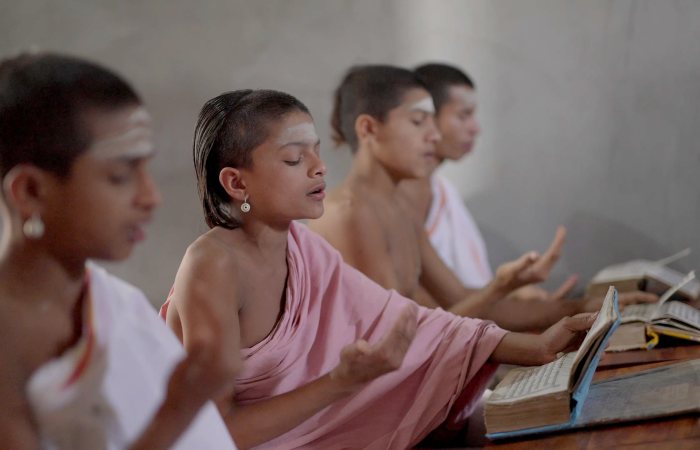
To understand the core differences between these two paths, we must first look at their origins and foundational philosophies. While both schools cater to distance learners, they approach the study of metaphysics from distinct historical and cultural angles, shaping how they present spiritual knowledge to their students.
The University of Metaphysics
The University of Metaphysics is a long-standing institution founded by Dr. Paul Leon Masters. Operating under the umbrella of the International Metaphysical Ministry (IMM), it is one of the oldest established organizations of its kind, with a history spanning several decades. Its primary focus is on practical mysticism, spiritual mind medicine, and pastoral ministry.
The institution is designed specifically for individuals who wish to become ordained ministers, spiritual counselors, or metaphysical practitioners. The teachings are heavily rooted in New Thought principles, transcendental psychology, and the relationship between the human mind and the divine. The legacy of Dr. Masters lives on through a highly structured, traditional approach to spiritual education that emphasizes the practical application of mental laws to improve daily life and achieve spiritual realization.
The University of Metaphysical Sciences
The University of Metaphysical Sciences (UMS) was founded by Dr. Christine Breese and is based in California, with administrative offices in Minnesota. UMS was established to provide a highly comprehensive, modern, and diverse curriculum that encompasses a wide variety of spiritual traditions, ancient mysteries, and holistic healing modalities.
Instead of focusing primarily on a single philosophical lineage like New Thought, UMS offers a broader, more eclectic exploration of global spiritual practices, meditation techniques, chakra systems, and modern spiritual coaching. It is designed for students seeking a diverse, multi-disciplinary approach to spiritual knowledge, combining ancient wisdom with contemporary psychological and scientific perspectives.
When comparing the university of metaphysics vs university of metaphysical sciences, the choice often comes down to this fundamental difference in philosophy: one is a deep dive into New Thought ministry, while the other is a broad survey of global spiritual traditions and holistic arts.
Curriculum and Digital Learning Portals

How you learn is just as important as what you learn. Distance education relies heavily on technology and course design, and a comparison of the university of metaphysics vs university of metaphysical sciences highlights how each school utilizes technology and structured materials to deliver courses to students worldwide.
The University of Metaphysics relies on a structured, step-by-step curriculum. Historically, these materials were sent via post, but they have successfully transitioned to digital formats. Students receive written lessons in PDF format alongside audio lectures. The learning style is highly self-paced and independent, focusing on meditation techniques and practical spiritual lifestyle integration. The assessment model relies on written assignments and open-book exams submitted via email or an online portal, making it an excellent option for those who prefer a straightforward, uncluttered learning environment.
In contrast, the University of Metaphysical Sciences offers a highly interactive digital student portal. Students can log in to access downloadable PDF course books, audio meditations, and lectures. UMS also boasts an active online community, student forums, and regular support from staff advisors. The curriculum is incredibly diverse, featuring over a hundred courses covering topics such as dream interpretation, astral projection, world religions, and herbology. This makes it highly appealing to those who want a broad, encyclopedic knowledge of the metaphysical field and enjoy interacting with fellow students online.
The difference in curriculum delivery between the university of metaphysics vs university of metaphysical sciences reflects their differing educational philosophies. The former offers a streamlined, focused path to ministry, while the latter provides an expansive, multi-layered library of spiritual topics designed for the modern holistic practitioner.
Comparing the University of Metaphysics vs University of Metaphysical Sciences
To help you visualize the structural differences, here is a detailed breakdown of the university of metaphysics vs university of metaphysical sciences across key educational metrics.
| Feature | University of Metaphysics | University of Metaphysical Sciences |
|---|---|---|
| Founding Organisation | International Metaphysical Ministry (IMM) | Wisdom of the Heart Church |
| Primary Focus | New Thought, pastoral ministry, and spiritual mind science | Broad holistic healing, world religions, and ancient mysteries |
| Ordination | Yes, ordination is a key component of the programme | Yes, optional ordination is available to graduates |
| Study Format | Self-paced PDFs and audio files | Online student portal, downloadable PDFs, and audio lectures |
| Degree Levels | Bachelor’s, Master’s, and Doctoral degrees | Bachelor’s, Master’s, and Ph.D. / D.Div. degrees |
| Community Support | Mainly independent study with email support | Active student forums, online community, and staff advisors |
This table illustrates that while both schools offer paths to higher degrees, the structural design of the university of metaphysics vs university of metaphysical sciences caters to different student needs. Those seeking a traditional, ministerially-focused path may find comfort in the IMM structure, while those looking for a modern, community-driven platform may lean toward UMS.
Accreditation, Legal Status, and Recognition
A common point of confusion for prospective students is the accreditation status of metaphysical degrees. It is vital to understand that neither of these institutions holds secular, regional accreditation from mainstream educational bodies (such as those recognized by the UK or US Departments of Education). Traditional academic accreditation is reserved for secular sciences, humanities, and established professional fields.
Instead, both schools operate legally as non-profit religious corporations. They are authorized to grant religious degrees under specific state laws governing theological and spiritual education. Their degrees are intended for spiritual counseling, energy healing, coaching, and ministry rather than mainstream academic research or clinical psychology.
This distinction is crucial when choosing between the university of metaphysics vs university of metaphysical sciences. If your goal is to work in mainstream healthcare, clinical therapy, or traditional academia, these degrees will not meet state licensing requirements. However, if you plan to run an independent spiritual practice, write books, host workshops, or offer life coaching, these credentials can provide structure, knowledge, and credibility within the holistic community.
The University of Metaphysics grants degrees under the religious authority of the International Metaphysical Ministry, focusing heavily on preparing students for ministerial work and spiritual counseling. The University of Metaphysical Sciences grants degrees under the auspices of the Wisdom of the Heart Church, focusing on spiritual teaching, holistic healing, and intuitive arts. Both approaches are legally sound within the realm of religious exemption, but they serve different professional niches.
Practical Career Paths and Applications
What can you actually do with a degree from either institution? This is a practical question that every prospective student should ask. Because these degrees are non-secular, your success will depend largely on your entrepreneurial spirit and dedication to your practice.
Graduates from both schools often go on to establish successful private practices as spiritual counselors, life coaches, energy healers, and meditation teachers. However, the specific training you receive will shape your professional identity. When analyzing the career outcomes of the university of metaphysics vs university of metaphysical sciences, we see two distinct professional paths emerge.
The University of Metaphysics prepares you to step into the role of a spiritual leader or minister. If you want to establish a physical or online church, perform legal marriage ceremonies, offer pastoral counseling, or lead a spiritual congregation, the IMM framework provides the legal and organizational backing to do so. The focus is on pastoral care and the application of divine mind laws to help individuals overcome life challenges.
On the other hand, the University of Metaphysical Sciences prepares you for a diverse career in the holistic arts. Graduates often write books, host spiritual retreats, teach workshops on specific modalities like chakra balancing or crystal healing, or integrate metaphysical concepts into an existing coaching or bodywork practice. The broad curriculum allows you to speak authoritatively on a wide range of spiritual topics, making it ideal for educators, writers, and multi-disciplinary healers.
Frequently Asked Questions
Are metaphysical degrees legally recognised?
Yes, they are legally granted as religious or theological degrees under state education laws. However, they are not recognized by traditional academic universities or secular licensing boards for clinical practice. They are designed solely for spiritual, holistic, and ministerial careers.
How do I choose between the university of metaphysics vs university of metaphysical sciences?
Your choice should depend on your career goals and learning preferences. If you want a structured, New Thought-based ministerial path, choose the University of Metaphysics. If you want a broad, multi-disciplinary curriculum covering ancient mysteries, holistic healing, and an active online student community, choose the University of Metaphysical Sciences.
Can I study at my own pace?
Yes, both institutions offer completely self-paced programs. This makes them ideal for working professionals or those with busy schedules who need to study around other commitments.
Do I have to become an ordained minister?
At the University of Metaphysics, ordination is a central part of the degree track, as the curriculum is designed to prepare you for ministry. At the University of Metaphysical Sciences, ordination is optional and is offered as an additional pathway for those who wish to perform marriages, funerals, or pastoral counseling.
What are the technical requirements for these courses?
You will need a reliable internet connection, a computer or tablet capable of reading PDF files, and an audio player for MP3 lectures. Both schools provide digital delivery, though the University of Metaphysical Sciences offers a more modern, integrated online portal experience.
Making Your Final Decision
When weighing up the university of metaphysics vs university of metaphysical sciences, your choice should align with your ultimate personal and professional goals. Neither school is objectively better than the other; rather, they serve different learning styles, spiritual focuses, and career aspirations.
If you prefer a structured, traditional path focused on New Thought principles, meditation, and establishing a spiritual ministry, the University of Metaphysics is an excellent fit. Its long history and established network of ministers offer a solid foundation for pastoral work. It is a time-tested lineage that has supported spiritual leaders for decades.
If you prefer a highly diverse curriculum that covers everything from ancient history to modern energy healing, alongside an interactive digital portal and active student community, the University of Metaphysical Sciences is likely the better choice. Whichever path you choose, both institutions offer a structured way to deepen your spiritual understanding, gain valuable insights into the human condition, and build a meaningful career in the holistic arts. By understanding the unique strengths of the university of metaphysics vs university of metaphysical sciences, you can step confidently onto the educational path that best supports your soul’s calling.
Related Guides
Explore more useful resources related to this topic:
